

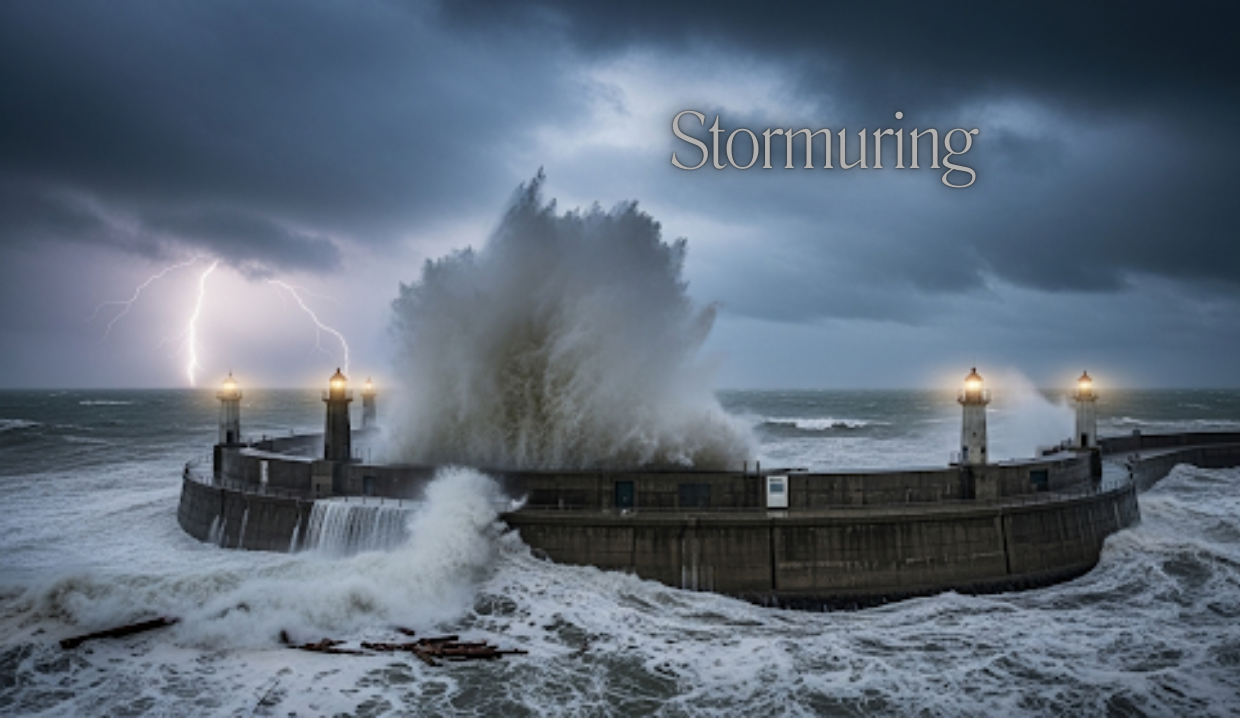
Stormuring is a term gaining attention in digital, business, and social discussions. While it may sound complex, the idea is simple—it describes sudden shifts, disruptions, or turbulence that impact how people, systems, or organizations work.
Many search for stormuring to understand its causes, effects, and possible solutions. From technology-driven changes to unexpected challenges in daily life, stormuring influences both individuals and businesses. In this article, we’ll explore what stormuring really means, why it matters, and how to deal with it effectively. By the end, you’ll have a clear and practical understanding of stormuring.
What is Stormuring?
Stormuring refers to a state of disruption or sudden change that affects systems, businesses, or individuals. Unlike regular challenges, stormuring often comes unexpectedly and creates uncertainty. It can be linked to technology shifts, social changes, or even psychological impacts.
Some see it as a problem, while others view it as an opportunity to adapt and grow. In simple terms, stormuring is about facing turbulence that pushes us to find new solutions and rethink old ways of doing things.
Causes of Stormuring
| Category | Examples | Impact Level |
|---|---|---|
| Technological | AI changes, cybersecurity threats | High |
| Social | Lifestyle shifts, cultural trends | Medium |
| Environmental | Global events, natural disruptions | Medium |
| Psychological | Stress, uncertainty, adaptation issues | Low–Medium |
Stormuring can happen for many reasons, often combining natural, digital, and human factors. In technology, rapid innovations like AI or cybersecurity shifts create sudden disruptions. Social causes include changing lifestyles, global events, or cultural movements.
Psychological triggers, such as stress and uncertainty, also play a role. Businesses may experience stormuring when markets fluctuate or customer behavior changes quickly. In short, stormuring is not caused by a single factor—it’s the result of multiple forces coming together unexpectedly.
Effects of Stormuring
The effects of stormuring can be both positive and negative. On one side, it may bring confusion, instability, or stress as people and businesses struggle to adjust. Markets can shift quickly, and technology disruptions may create security risks.
On the positive side, stormuring often sparks innovation, encourages adaptability, and opens doors to new opportunities. By learning to manage these effects, individuals and organizations can turn challenges into growth and prepare for future changes with more confidence.
| Type of Effect | Positive Outcomes | Negative Outcomes |
|---|---|---|
| Business | Innovation, new opportunities | Market instability, losses |
| Technology | Faster solutions, adaptability | Security risks, confusion |
| Personal Life | Growth mindset, resilience | Stress, anxiety |
Real-Life Examples of Stormuring
Stormuring can be seen in many real-life situations. For example, during the sudden shift to remote work, businesses had to quickly adopt digital tools to survive. In technology, rapid advances in AI have disrupted industries, forcing companies to rethink their strategies.
Social media trends are another example, where sudden movements change opinions and behaviors overnight. These cases show how stormuring creates both challenges and opportunities, pushing people and organizations to adapt faster than ever before.
Stormuring in the Digital Age
In today’s digital world, stormuring is more common than ever. Cybersecurity threats, social media trends, and rapid updates in technology can disrupt lives and businesses instantly. Remote work has added another layer, as teams face challenges staying connected and productive.
At the same time, these digital shifts create opportunities for innovation and growth. Stormuring in the digital age shows us that flexibility, awareness, and quick adaptation are essential to thrive in a world driven by constant change.
Solutions to Stormuring
| Approach | Short-Term Solution | Long-Term Strategy |
|---|---|---|
| Personal | Stay calm, gather information | Build resilience, adapt skills |
| Business | Temporary process adjustments | Flexible strategies, innovation plans |
| Technology | Use digital tools wisely | Backup systems, security upgrades |
Managing stormuring requires both short-term and long-term approaches. In the short term, staying calm, gathering information, and making small adjustments can reduce stress. For long-term solutions, businesses and individuals should focus on building resilience, improving digital skills, and adopting flexible strategies.
Using technology wisely, planning ahead, and learning from past disruptions are key. Expert advice also suggests creating backup systems and strong support networks. With the right mindset, stormuring can become less of a threat and more of an opportunity.
Prevention Strategies
While stormuring can’t always be avoided, smart prevention can reduce its impact. Early detection is key—monitor trends, news, and technology updates to spot changes before they escalate. Businesses can use tools and frameworks to manage risks, while individuals can focus on building adaptable skills.
Creating backup plans and practicing flexibility also helps. By staying alert and prepared, people and organizations can respond quickly, turning stormuring from a sudden disruption into a manageable challenge with fewer long-term effects.
Also read: Why Is Solo E.T. a Rising Star in Lo-Fi and Chillhop Music
Common Myths & Misconceptions
Many myths surround stormuring, often making it seem more frightening than it is. Some believe it only happens in technology, but stormuring can occur in business, society, or daily life. Others think it is always negative, while in reality, it can inspire growth and creativity.
Another misconception is that stormuring can be fully controlled, but in truth, it can only be managed, not eliminated. Understanding these myths helps people face stormuring with clarity instead of unnecessary fear.
Future of Stormuring
| Area Affected | Possible Changes | Preparation Needed |
|---|---|---|
| Business | New markets, fast disruptions | Innovation, trend monitoring |
| Technology | AI growth, digital risks | Cybersecurity, continuous learning |
| Society | Shifts in communication & culture | Awareness, adaptability |
| Education | More online learning, skill upgrades | Lifelong learning mindset |
The future of stormuring will likely bring faster and more complex changes. With technology advancing, social dynamics shifting, and global events unfolding, disruptions may become a normal part of life. Businesses will need to stay innovative, while individuals must focus on adaptability and continuous learning.
Experts predict stormuring could shape how we work, communicate, and solve problems. By preparing now, people and organizations can face the future with confidence, turning uncertainty into opportunities for growth and progress.
FAQS stormuring
What does stormuring mean in everyday life?
Stormuring refers to sudden disruptions or shifts that impact daily routines, work, or technology.
Is stormuring always a negative experience?
No, stormuring can create challenges but also open opportunities for growth and innovation.
How can businesses prepare for stormuring?
By building flexible strategies, monitoring trends, and using technology to adapt quickly.
What are common causes of stormuring?
Causes include technological changes, social shifts, global events, and psychological factors.
Can stormuring be managed effectively?
Yes, through resilience, backup plans, and staying updated on potential disruptions.
Conclusion
Stormuring may sound complex, but it simply reflects the sudden changes that shape our world. From technology to business and everyday life, stormuring creates both challenges and opportunities. By understanding its causes, effects, and solutions, we can prepare for the unexpected with greater confidence.
The key lies in adaptability, resilience, and continuous learning. Instead of fearing stormuring, embracing it as a chance for growth allows individuals and organizations to move forward stronger, even in uncertain times.